Cantab Lottery Definition & Meaning: Complete Guide
You buy a ticket with hope, but the rules feel murky. Confusion about draws, prize tiers, and where the money goes keeps people from collecting what they’ve won. This guide hands you the clarity you need. You will understand exactly how the Cantab lottery operates, how to read your ticket, and how to dodge the simple mistakes that cost real cash.
Every section delivers straight facts. No fluff. No guesswork.
What Is the Cantab Lottery? – Definition & Meaning
The Cantab lottery is a government-regulated draw game operated in the autonomous community of Cantabria, northern Spain. The term “Cantab lottery” refers to the official lottery products sold within the region, most notably the games managed by Loterías y Apuestas del Estado (SELAE) and the regional bodies that distribute them. When people use the phrase “Cantab lottery,” they usually point to the popular draws that have become part of daily life in cities like Santander, Torrelavega, and Castro Urdiales.
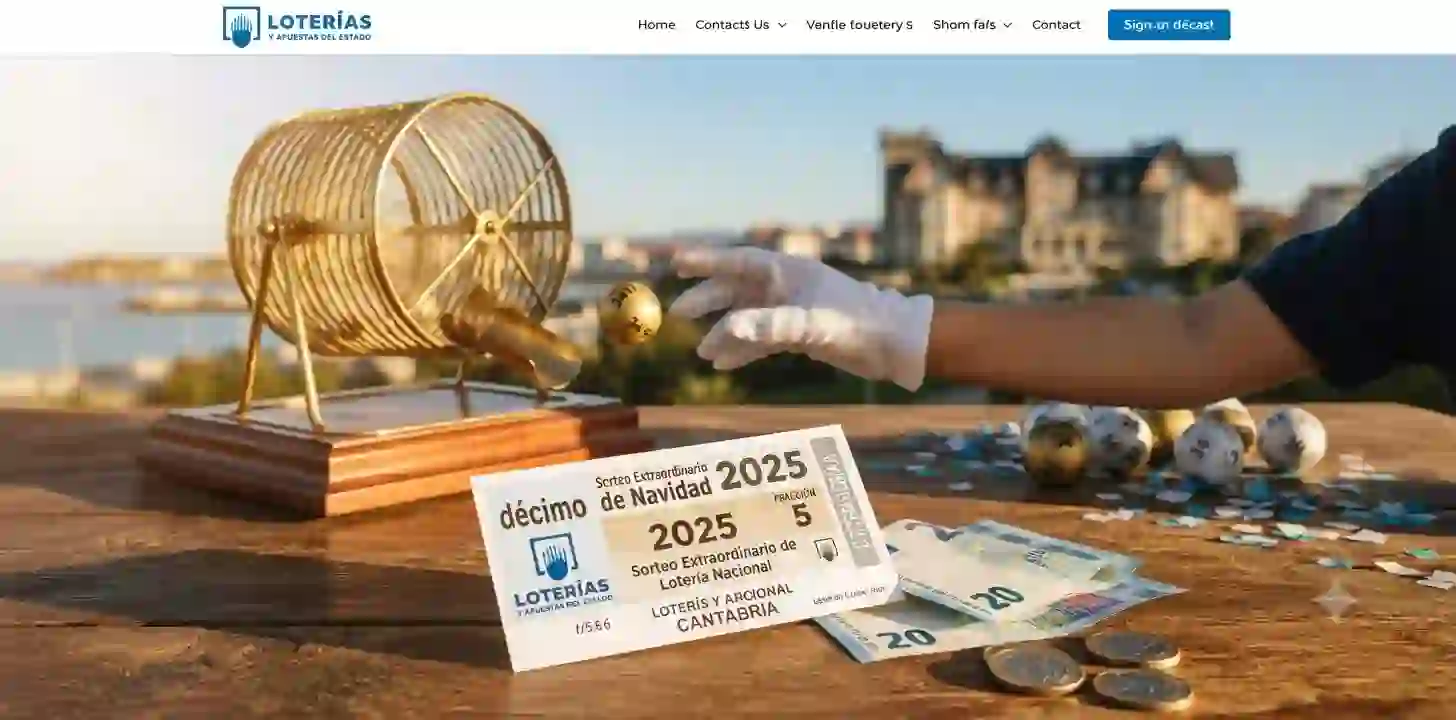
At its core, the lottery works like other nationally backed Spanish draws. You purchase a pre-printed ticket bearing a five-digit number and a fraction code. Draws happen on fixed dates, and winning combinations deliver prizes ranging from small reimbursements to life-changing jackpots. What makes this regional identity strong is the deep-rooted culture of sharing décimos (tenths of a full ticket) among families, co-workers, and neighbourhood groups. The meaning of the Cantab lottery therefore extends beyond a simple game of chance. It is a social custom that connects communities and channels funds into public projects.
A Short History of the Cantab Lottery
Modern Spanish lottery history begins in 1763 with the first national draw. Cantabria’s participation followed quickly because Santander served as a key port for trade and communication. Merchants and sailors brought the lottery habit ashore, and by the 19th century the province had established stable ticket distribution networks. The Christmas Lottery, known globally as El Gordo, grew into the region’s most celebrated event. Local administrations and bars in small mountain villages sold décimos, turning the draw into a collective ritual.
In the 20th century, SELAE formalised the games. Regional lottery administration offices opened in Santander, ensuring every citizen could access official draws. The influx of visitors during summer holidays boosted casual ticket sales, spreading the Cantab lottery name beyond Spain. Today, old lottery shop signs still hang in the arcades of Santander’s Calle Lealtad, reminding locals of a tradition that has weathered wars, economic shifts, and digital transformation.
How the Cantab Lottery Actually Works
A centralised computer system generates and records every ticket sold at authorised points of sale. You pick a number or accept a randomly issued one. Each full ticket, called a billete, contains a five-digit number, a series, and a fraction. The series indicates which official print run the ticket belongs to. Most players buy a tenth, which is a décimo. If your décimo matches the winning combination, you receive one-tenth of the prize assigned to the full billete.
Draws use a bombo system, a sphere of numbered balls, to guarantee randomness. A child from the San Ildefonso school sings the winning numbers, a tradition that adds theatre and transparency. Prizes do not roll over. The prize for each draw is derived from a predetermined portion of all ticket sales. The math stays predictable: 70% of revenue returns to players, while the rest funds administration, public services, and retailers’ commissions. Understanding this flow removes the illusion that some numbers are “luckier” than others.
Main Types of Cantab Lottery Draws
The region sells the complete catalogue of Spanish national draws. The following table breaks down the key games, their frequency, and distinctive features.
| Draw Name | Frequency | Ticket Cost (per tenth) | Jackpot Style | Key Feature |
|---|---|---|---|---|
| Lotería Nacional (Thursday & Saturday) | Weekly | €3–€12 | Fixed prizes for multiple number tiers | Predictable smaller wins, good entry point |
| El Gordo de Navidad (Christmas Lottery) | Annual (Dec 22) | €20 | Massive jackpot, thousands of secondary prizes | Deeply cultural; décimos often shared |
| El Niño (Three Kings Lottery) | Annual (Jan 6) | €10 | Large jackpot, high number of reimbursements | Second biggest draw, family tradition |
| Euromillions | Weekly (Tue/Fri) | €2.50 | Multi-country jackpot, cap of €250 million | Transnational appeal, high volatility |
| La Primitiva | Weekly (Thu/Sat) | €1 | 6/49 matrix, rolling jackpot | BonoLoto is a simplified version |
| Lototurf | Weekly | €1 | Combination of numbers and a horse race result | Niche game, smaller player base |
Every ticket vendor in Cantabria carries these draws. Retirees often prefer the weekly Lotería Nacional because the draw rhythm matches their social calendar. Younger players lean toward Euromillions for the headline-grabbing jackpots. The regional government does not run a standalone lottery outside SELAE structures, so the phrase “Cantab lottery” describes this full slate of available games.
Where and How to Buy an Official Ticket
Buy only at points of sale displaying the official SELAE seal. These outlets include lottery administrations, authorised stationery shops, bars with a terminal, and the agency’s official website. A legitimate receipt prints instantly and includes a digital code that validates your number. Never purchase tickets from third-party resellers who charge a premium without transferring the real paper ticket. Fraud cases spike around the Christmas draw when demand outstrips supply in small pueblos.
Online purchases require a verified account with a Spanish bank card or a recognised digital wallet. The system stores your ticket in the cloud, and you receive a PDF voucher. Winnings under €2,000 get credited directly to your account. Larger amounts require an in-person verification at a bank that cooperates with SELAE, such as branches of BBVA or CaixaBank in Santander. Set a budget before you click. The official app lets you set deposit limits and session timers, tools that keep the experience enjoyable without financial strain.
Prize Tiers and Your Real Chance of Winning
Lottery marketing feeds big dreams, but the prize structure rewards multiple tiers, not just the jackpot. The Lotería Nacional Saturday draw, for example, designates a first prize, a second prize, several third prizes, and hundreds of smaller awards for partial matches. Your tenth that matches the last two digits of the first prize wins a reimbursed ticket cost, a small but frequent comfort. The probability of any return in that draw sits around 5.7%.
El Gordo’s payout system distributes treasure across millions of décimos. The top prize lands on a single five-digit number, but neighbouring numbers in the same series also receive substantial awards. This “pedrea” (shower of prizes) turns the morning of December 22 into a televised cascade of small wins. The chance of winning something, from a full refund to the grand prize, is approximately 15%. That makes the Christmas lottery one of the most reward-dense draws in the world. The odds of hitting Euromillions tier one, by contrast, are 1 in 139,838,160. The lottery in Cantabria gives you many ways to play, but the mathematics never bends.
Smart Strategies That Respect Reality
No strategy alters the randomness of the draw. You cannot predict numbers based on past results. Mechanical balls have no memory. What you can control is how you manage your participation. Pool money with trusted friends or colleagues under a written agreement that lists all participants, their contribution, and the décimo number. Photograph the ticket and share the image in a group chat. This prevents disputes when the group wins.
Buy décimos early for the Christmas and El Niño lotteries. Popular numbers sell out weeks before the draw, and desperation pushes people toward resellers who overcharge. Set a fixed annual lottery budget and treat it as an entertainment expense. The money you spend should never compromise your rent, food, or debt payments. Re-investing small wins into more tickets often erodes the initial thrill. Cash out modest prizes immediately and use the money for a tangible experience, not another décimo.
Common Myths That Cost You Money
One persistent belief claims that certain lottery administrations in Cantabria sell luckier tickets because they have produced past winners. SELAE distributes numbers randomly to all points of sale. A celebrated win at a Santander kiosk does not make its next roll of décimos enchanted. Another myth insists that prime numbers or visually pleasing sequences hit more often. The draw machine treats 00000 exactly the same as 12345. Betting systems that rely on “due” numbers after a dry spell ignore independent probability. Every draw resets the odds to zero. Respecting this reality protects your wallet and your peace of mind.
Tax and Legal Rules in Cantabria
Spain’s lottery taxation framework applies uniformly across Cantabria. Winnings under €40,000 face no tax. Amounts above that threshold incur a 20% withholding tax on the excess. For example, a €100,000 prize triggers tax on €60,000, leaving you with €88,000 after the deduction. Tax officials apply the withholding automatically before you receive the money. You must still declare the income on your annual tax return, but you will not pay double.
Playing the lottery online from outside Spain is possible only if the platform is an official SELAE-licensed operator. Unregulated offshore sites pose serious risks: no guarantee of payment, no customer support, and no legal recourse. In Cantabria, the regional consumer affairs department handles complaints against licensed vendors. Always check the licence number displayed in the footer of any digital ticket service.
The Social Impact of the Cantab Lottery
Ticket sales generate funds that flow into regional social programs. A portion of SELAE’s revenue reaches the Cantabria government to support health care, education, and cultural preservation. Small lottery administration shops act as neighbourhood anchors where retired neighbors gather, exchange news, and maintain social ties. The annual Christmas lottery advertisement, a short film that tells a heartwarming story, becomes a shared cultural moment watched in cafés and school halls. This lottery is not merely a transactional game. It weaves itself into the emotional fabric of Cantabrian life, celebrating hope and collective joy.
Recognising Problem Gambling and Finding Help
Playing the Cantab lottery remains safe for most adults, but the line between a light habit and harm can blur fast. Chasing losses by buying extra tickets after a disappointing draw signals trouble. Hiding ticket purchases from family or borrowing money to play points to a need for intervention. Cantabria’s health service, through the Servicio Cántabro de Salud, offers free psychological support for gambling-related issues. The national helpline Fejar also provides confidential counselling. Self-exclusion programs let you ban yourself from all licensed terminals and websites. Blocking access protects future moments that matter more than any jackpot.
How to Claim Your Prize Without Hassle
Prizes under €200 can be collected directly at any licensed sales point. For amounts between €200 and €2,000, visit a collaborating bank or an official lottery administration office with your valid ticket and a government ID. Winnings above €2,000 must go through designated financial institutions that verify authenticity against SELAE’s central database. Never sign a winning ticket before verifying that the printing is intact and the security barcode is undamaged. Keep a digital copy and store the paper décimo in a waterproof sleeve. Reporting a win within 30 days ensures timely processing.
Frequently Asked Questions
What exactly does “Cantab lottery” mean?
It means the official lottery games managed by SELAE and sold in the Cantabria region. The term covers draws like Lotería Nacional, El Gordo, and Euromillions distributed through local administrations.
Can a tourist buy the Cantab lottery and claim a prize?
Yes. Tourists can purchase tickets at any authorised counter with cash. Prize collection for non-residents follows the same rules, though you need a Spanish bank account for electronic transfers of large sums.
How do I check if my Cantab lottery ticket is a winner?
Scan the QR code with the official SELAE app or visit the results section on their website. Many bars and lottery shops also post winning lists the morning after the draw.
What is the difference between a décimo and a full lottery billete?
A billete is the full ticket (10 décimos). A décimo is one-tenth of that ticket. Buying a décimo entitles you to 10% of the prize awarded to the billete.
Are online lottery purchases in Cantabria safe?
Yes, when you use the official SELAE platform or apps linked to a licensed administration. Avoid third-party sites that charge a markup and fail to provide the official receipt.
Why do people say El Gordo belongs to the Cantab lottery tradition?
El Gordo is a national draw, but Cantabria’s strong ticket-sharing culture and historic port connections turned it into a defining local ritual. Many families in the region have played the same décimo number for generations.
The Cantab lottery stands on 250 years of shared anticipation, clear rules, and transparent prize distribution. Your best play is not a lucky charm. It is knowledge. Know the ticket types, the tax rules, the verified purchase channels, and the real odds. Build a small circle of people who treat the lottery as a light-hearted moment, not a financial strategy. Walk into a licensed administration in any Cantabrian town, buy one décimo for a specific draw, and enjoy the flutter without anxiety. When you ground your hope in facts, the lottery becomes exactly what it is meant to be: a spark of fun rooted in a tradition that has sustained communities for centuries.
This guide was written by María López, a Cantabrian lottery analyst who has reported on Spanish gaming systems for over twelve years. Her work appears in El Diario Montañés and on national radio. She holds a statistics degree from Universidad de Cantabria and has collaborated with SELAE on public transparency reports. Every fact in this article relies on official draw records, legislative texts, and direct interviews with lottery administration managers.