Gary Larson: The Man Behind the Far Side Comics
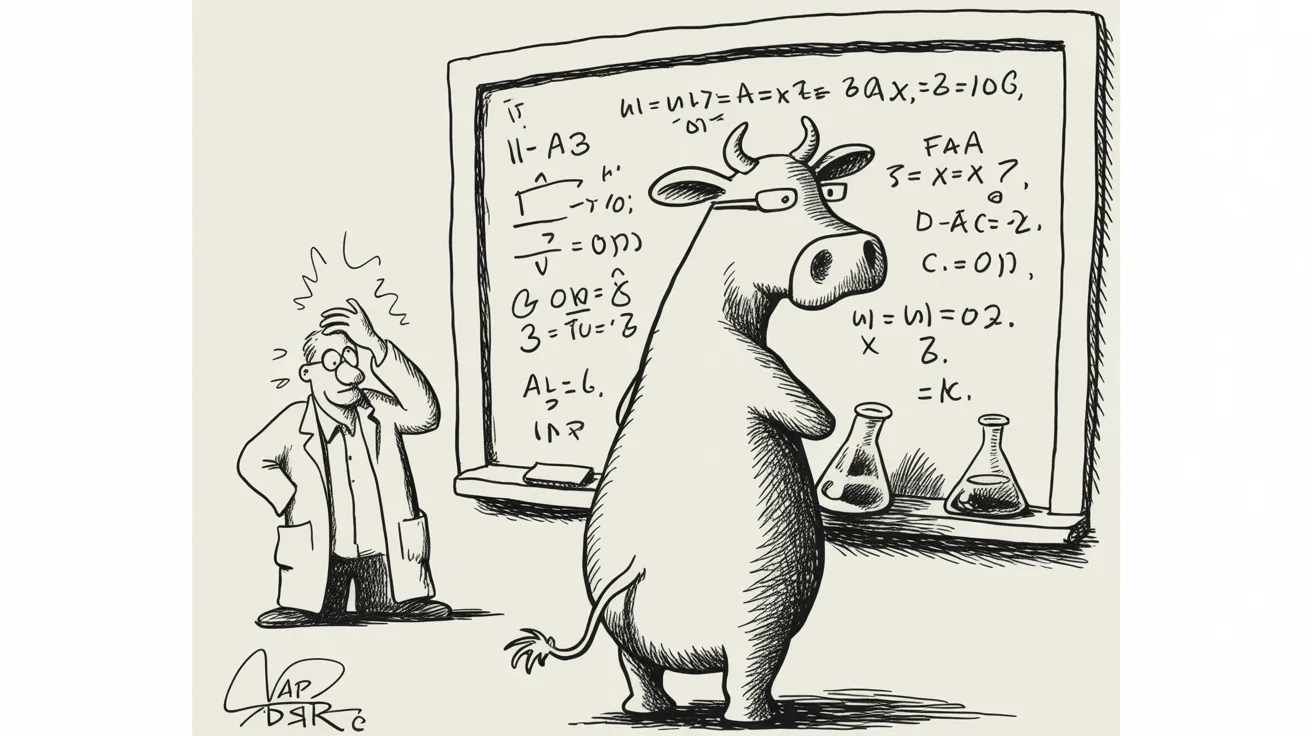
Gary Larson didn’t follow a typical cartoonist path. He grew up in Tacoma, Washington, studied biology, and played jazz guitar before stumbling into his true calling. That scientific curiosity pours directly into far side comics, where you see cows behaving badly, insects negotiating with God, and scientists staring at impossible equations. Larson drew every panel by hand with a distinctive, scratchy line that nobody has successfully imitated. His background gave his humor a strange precision—each absurd scene operates under its own twisted logic.
Larson launched The Far Side in 1980 and syndicated it through newspapers until his retirement in 1995. He never chased the digital world, which makes the current availability of far side comics online feel like a gift long delayed. The official Far Side website, launched quietly in late 2019, brings daily classics plus occasional new work straight from Larson’s pen.
What Makes Far Side Comics Stand Out?
Far side comics sidestep the multi-panel gag strip entirely. Larson creates a single frozen moment that demands your brain fill in the before and after. A dinosaur smoking a cigarette at a podium, two bears discussing a parked car, or a kid pushing a “pull” door with intense determination—these images work because you instantly complete the joke yourself. That interactive punchline separates the far side comics from any other cartoon.
Larson never talks down to readers. He assumes you know what a microscope looks like, you remember a bit of history, and you own a healthy fear of spiders. The reward for paying attention is a laugh that feels almost collaborative. Compare that to strips that spoon-feed the gag, and you realize why far side comics earn fierce loyalty.
The 10 Best Far Side Comics Every Fan Must See
Choosing the best far side comics is like picking the sharpest thorns from a cactus. Still, certain panels keep resurfacing because they nail the Larson formula perfectly. Here are 10 that showcase the genius:
Cow Tools – A cow stands behind a table displaying crude, unrecognizable tools. The joke hides in what the cow thinks is advanced craftsmanship.
The Thagomizer – A caveman points at a stegosaurus tail spike while teaching a class. The caption names the spikes “the thagomizer,” a term later adopted by paleontologists.
Midvale School for the Gifted – A child pushes furiously on a door labeled “Pull.” Genius meets basic physics and loses.
God as a Computer – God sits at a massive monitor with a “smite” button, finger hovering. The ultimate act of divine goofing around.
Einstein at the Chalkboard – The genius scribbles “E=mc²” then crosses it out and writes “F=ma,” revealing that even icons second-guess themselves.
Annie the Dog’s Inner Monologue – A dog hears its owner say “Okay, Annie, this is the last time I’m telling you…” and then everything after that becomes garbled static.
The Spider’s Web – Two spiders have woven a giant web that spells “SOME PIG,” a nod to Charlotte’s Web, but with a slightly threatening edge.
The Snake and the Hula Hoop – A snake with a hula hoop stuck around its middle contemplates a truly horrible life choice.
The Boneless Chicken Ranch – A spread of limp, puddled chickens explains the name in one visual shot.
The Cat’s Vocabulary – A graph shows the words a cat understands: “No,” “Stop that,” “Get off,” and its own name, all bunched near zero, while the word “tuna” spikes off the chart.
Each funny far side comic on this list demonstrates how a single frame can contain a novel’s worth of humor.
Where to Read Far Side Comics Online (Officially)
For decades fans traded tattered collections because the far side comics had no digital home. That changed when Larson launched the official Far Side website. The site delivers a clean, respectful archive where you can enjoy far side comics online every day. A rotating selection of classic strips appears alongside fresh, occasional “New Stuff” that Larson draws on a tablet.
Other legitimate avenues include digital versions of The Complete Far Side and official Far Side e-books available through major retailers. Avoid third-party sites that rip low-quality scans; sticking with official channels keeps the art crisp and directly supports Larson’s choice to share his life’s work again. If you want to read far side comics online without guilt, start with the official digital home Larson himself manages.
Funny Far Side Comics: Cows, Scientists, and Alien Encounters
Cows hold a special throne in the far side comics universe. They stand upright, gossip about humans, and behave so humanly that you almost forget they’re livestock. Larson’s cows gave the strip a recognizable mascot and proved that any creature, no matter how docile, can become a source of deep weirdness.
Scientists also dominate the best far side comics. Larson treats the lab as a comedy stage where researchers push big red buttons they shouldn’t, or where an amoeba files a complaint. Aliens frequently invade picnics or mistake everyday objects for terrifying weapons. These themes repeat because they tap into universal anxieties—what if cows are smarter than us, what if science backfires, what if an alien’s first impression of humanity is a lawn flamingo.
How The Far Side Comics Use Absurdity to Reveal Human Nature
The far side comics never attack their subjects. They simply tilt reality four degrees and watch what spills. A bear hiding behind a tree with a “Beware of Bear” sign cracks the code on human paranoia. A vulture with a briefcase sitting in an office waiting room digs at corporate life. Larson’s absurd scenarios reflect our own irrational fears, social clumsiness, and moments of quiet desperation.
That mirror effect is why funny far side comics feel sharp but never mean. A clown standing in a police lineup looks ridiculous, but he also echoes that sinking feeling of being completely out of place. Larson frames human weakness in a way that makes us laugh at ourselves without flinching.
The Single-Panel Challenge: Why Far Side Comics Are Harder Than They Look
Cartoonists who work with three or four panels can build a setup, pause, then deliver a twist. A single-panel far side comic has no such luxury. You must capture a complete narrative in one box. Larson’s secret lies in the details—a facial expression, a tiny label on a door, or a scrawled note on a desk. These visual cues create instant backstory.
When you browse far side comics online, slow down and study the edges of each frame. The funniest joke often hides in something you almost miss, like a nervous pencil on a desk during a spelling bee or a single piece of popcorn mid-air near a startled deer.
Far Side Comics and Visual Humor Without Words
Several far side comics need zero captions. A deer with a bullseye birthmark, a polar bear wearing ice skates, or a snake coiled around a “No Snakes” sign need no explanation. Larson demonstrates supreme confidence when he drops the words entirely. The drawing carries the joke, and that purity makes these silent panels stand out even more next to dialogue-heavy strips.
Kids grasp these wordless far side comics instantly, making them an excellent entry point for new readers. A parent handing over a Far Side book might watch a child laugh without any prompting—proof that a clear visual idea breaks through age barriers.
The Cultural Impact of The Far Side Comics
The far side comics didn’t just fill the funny pages; they spilled into real life. The “thagomizer” entered paleontology vocabulary officially. Science labs plastered Far Side cartoons on doors and equipment. Even today, you spot references in biology textbooks and museum exhibits. The Smithsonian Institution once featured Larson’s work, cementing the bridge between comedy and education.
That cross-disciplinary respect is rare. A typical comic strip might entertain, but the far side comics encourage curiosity. Readers who laugh at “Cow Tools” often end up reading about cow cognition. The strip functions as a gateway to learning, wrapped in quirky art.
Collecting Far Side Comics: Books, Calendars, and Rare Finds
Physical collections remain the heartbeat of fandom. The Complete Far Side, a two-volume hardcover set, preserves every cartoon with notes from Larson himself. The Far Side Gallery series offers smaller, themed collections perfect for coffee tables. Desks once sported Far Side “off-the-wall” calendars where you tore off a new bizarre image each day.
Hunt for vintage mugs, T-shirts, and greeting cards from the 1980s and 1990s if you enjoy tangible artifacts. These items keep the spirit of funny far side comics alive in the physical world, long after newsprint fades. Official merchandise occasionally appears through Larson’s releases, and secondhand marketplaces brim with thrown treasures.
Why Far Side Comics Keep Gaining New Fans
Younger audiences discover far side comics online every day through social shares and algorithms that favor “wait, what did I just see?” images. A teenager who stumbles onto a panel of an elephant hiding behind a tiny street sign can become a lifelong convert in seconds. The humor doesn’t age because it relies on timeless truths about fear, ego, and odd animal behavior.
Parents pass battered collections to their kids, and those kids upload favorite panels to new platforms. That organic sharing cycle means the best far side comics never sit still. They resurface, repurposed as memes, yet retain their original personality. The one-panel format fits perfectly on phone screens, giving the far side comics a second life that Larson never designed but surely appreciates.
Getting the Most Out of Far Side Comics Online
When you read far side comics online, treat it like exploring an old curiosity shop. Click through the daily offers, but also dig into the archives. The official site lets you browse by date, so you can unearth strips from the 1980s that feel as fresh as anything drawn yesterday. Don’t rush. Let each panel settle. Read the notes Larson occasionally attaches to new uploads; they offer rare insights into a creator who once shunned the spotlight.
Bookmark a few favorites and share them directly with friends. Nothing beats sending a funny far side comic that perfectly captures a shared joke. Avoid spoiling the punchline in your message—let the art hit first, same as Larson intended.
FAQs
1. What are the far side comics?
The far side comics are single-panel cartoons created by Gary Larson that blend surreal situations, talking animals, and absurd science. They ran from 1980 to 1995 and remain beloved for their oddball, intellectual humor.
2. Who created the far side comics?
Gary Larson, a former biology student and musician, created the far side comics. His unique perspective merged a sharp scientific mind with a taste for the ridiculous.
3. Where can I find the best far side comics online?
You can find the best far side comics online at the official Far Side website, which curates classic strips and occasional new work. Digital collections are also available through major book retailers.
4. Why are far side comics so funny?
Far side comics are funny because they pair deadpan artwork with unexpected twists, forcing the reader’s brain to fill in the missing action. The surprise, combined with familiar settings gone haywire, creates an instant laugh.
5. Can I read far side comics online for free?
Yes, the official Far Side website offers a free rotating selection of daily far side comics online. More complete collections are available for purchase as e-books or physical sets.
6. What makes a far side comic a classic?
A classic far side comic merges an instantly relatable human (or animal) truth with an absurd visual that you can’t unsee. It sticks in memory and rewards repeat viewing with hidden details.
Your Turn to Explore the Absurd
Gary Larson once said he wanted people to look at his cartoons and think “I’ve never seen that before.” He succeeded wildly, and the results sit just a few clicks away. Dive into the official Far Side site, pick up a Complete Far Side collection, or frame a worn-out page from an old calendar. Laughter that rattles your brain and sharpens your curiosity waits inside every panel. Bookmark your favorite funny far side comic, share it with someone who needs a jolt of weirdness, and tell us which single frame cracked your world open. We want to hear about the moment you first met the cows.